Latest articles
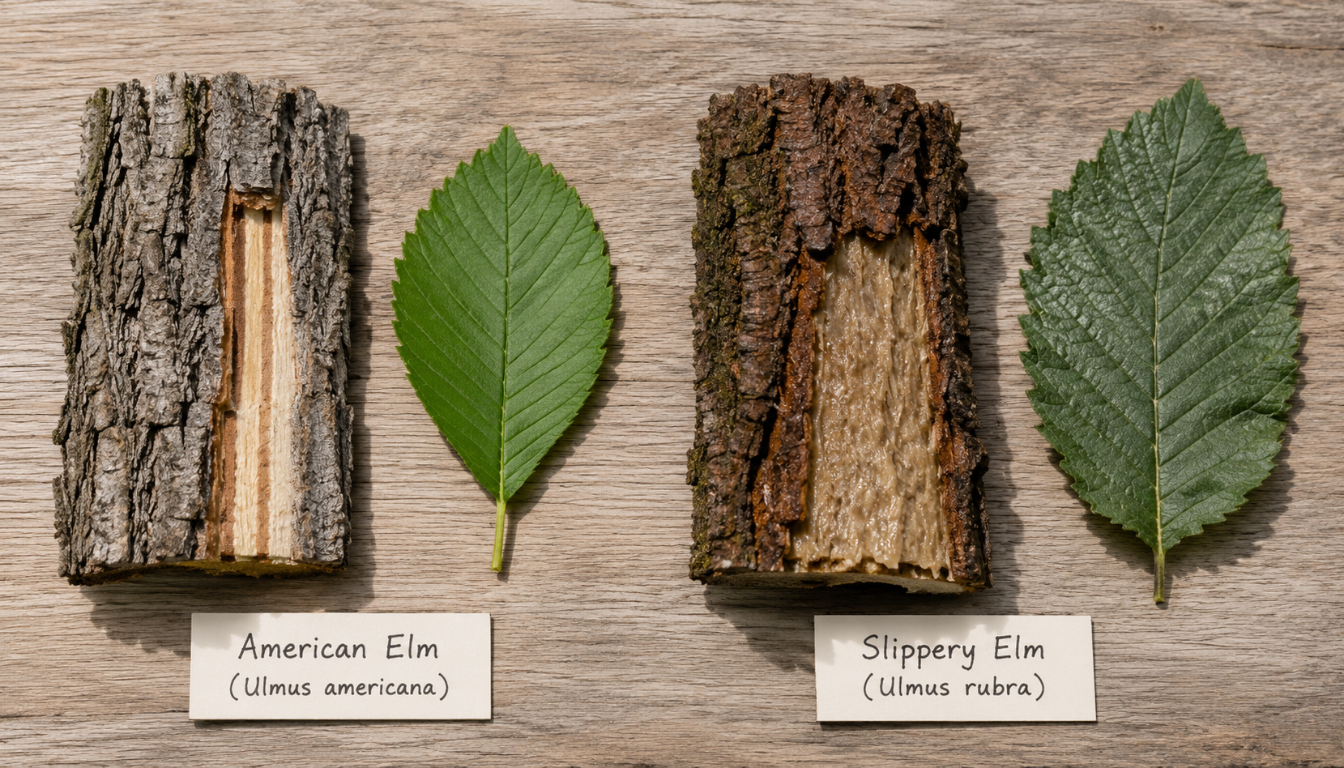
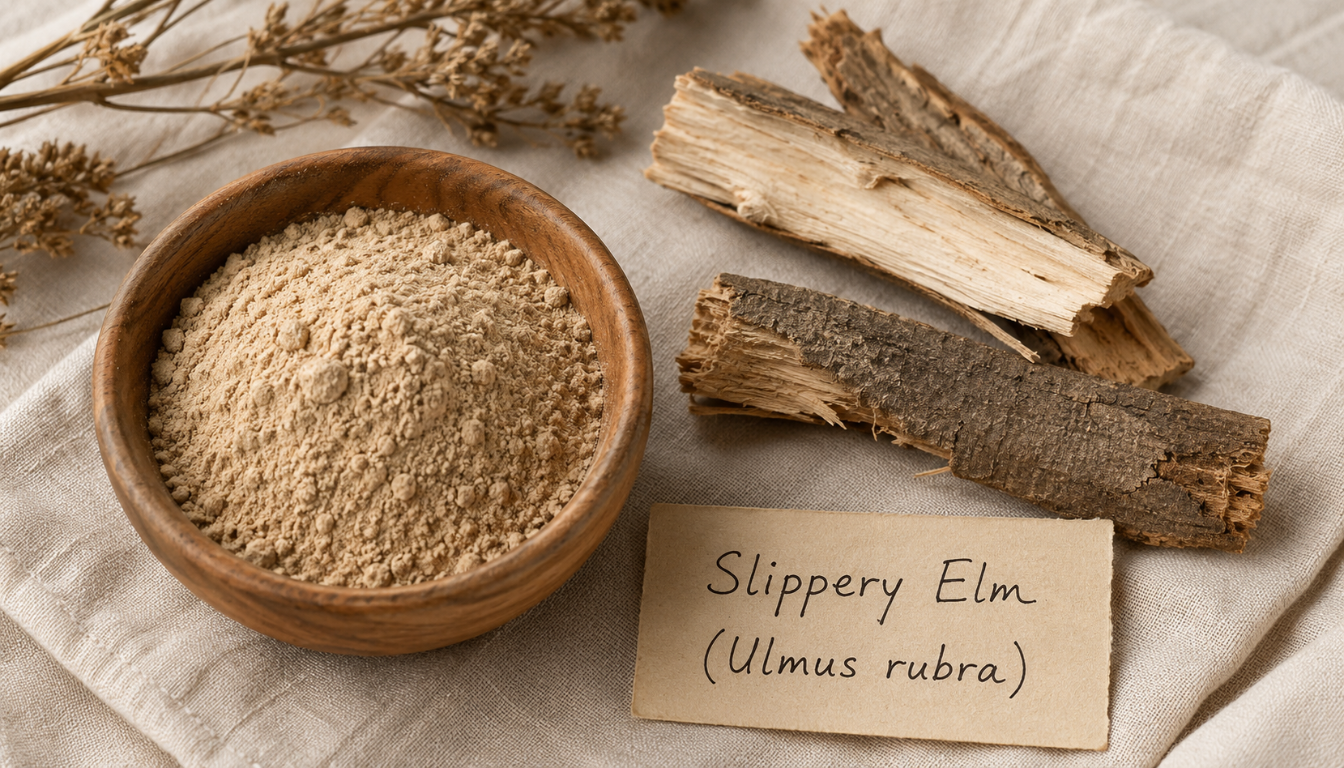
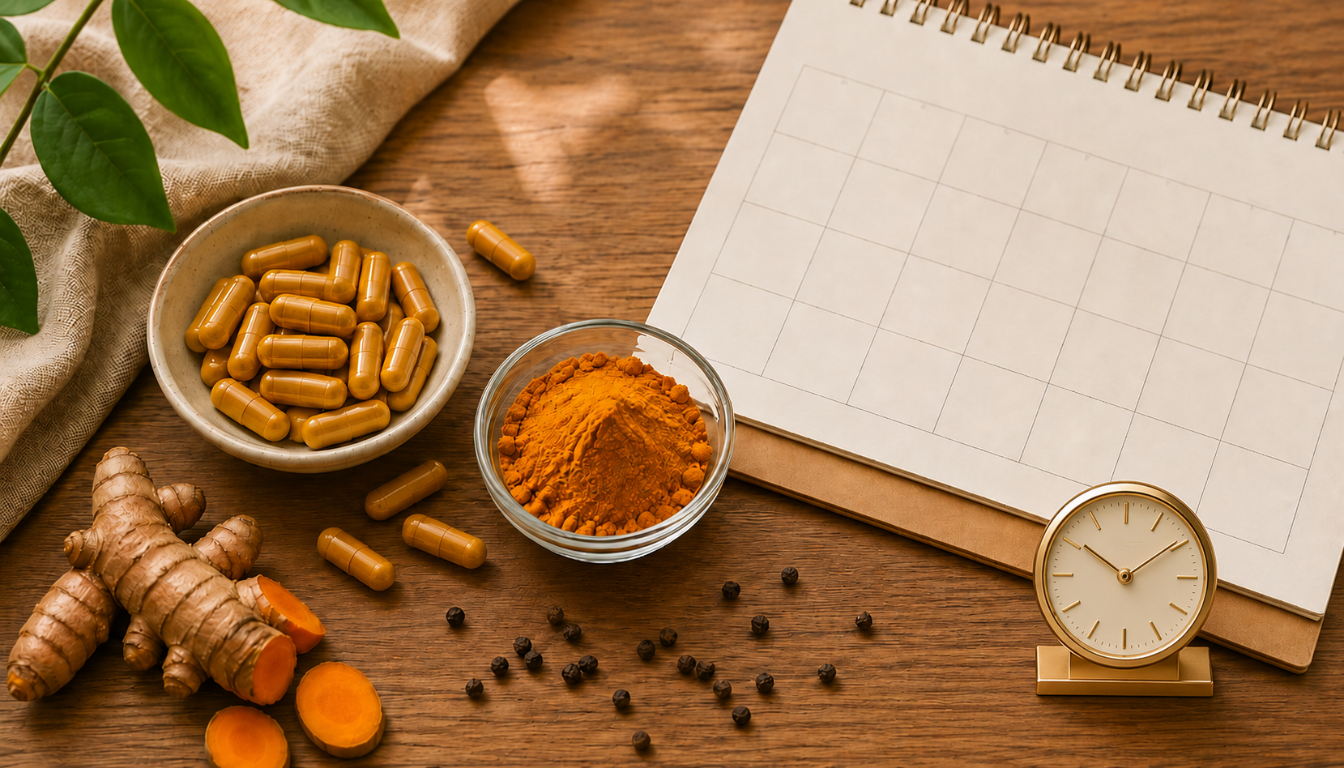
Featured Articles
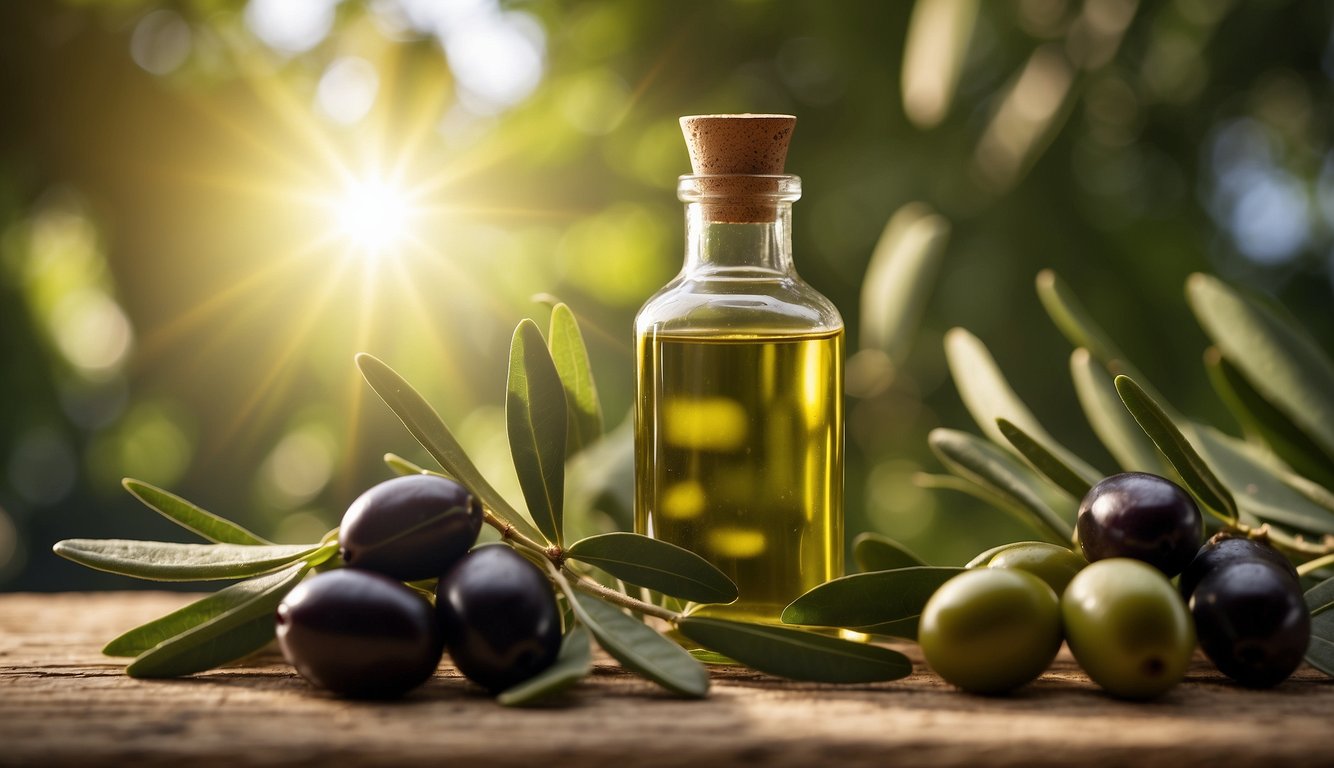
Olive Leaf Extract Benefits: Evidence‑Based Guide
The Truth About Vitamins

Super Green Foods: The Ultimate Nutritional Powerhouses
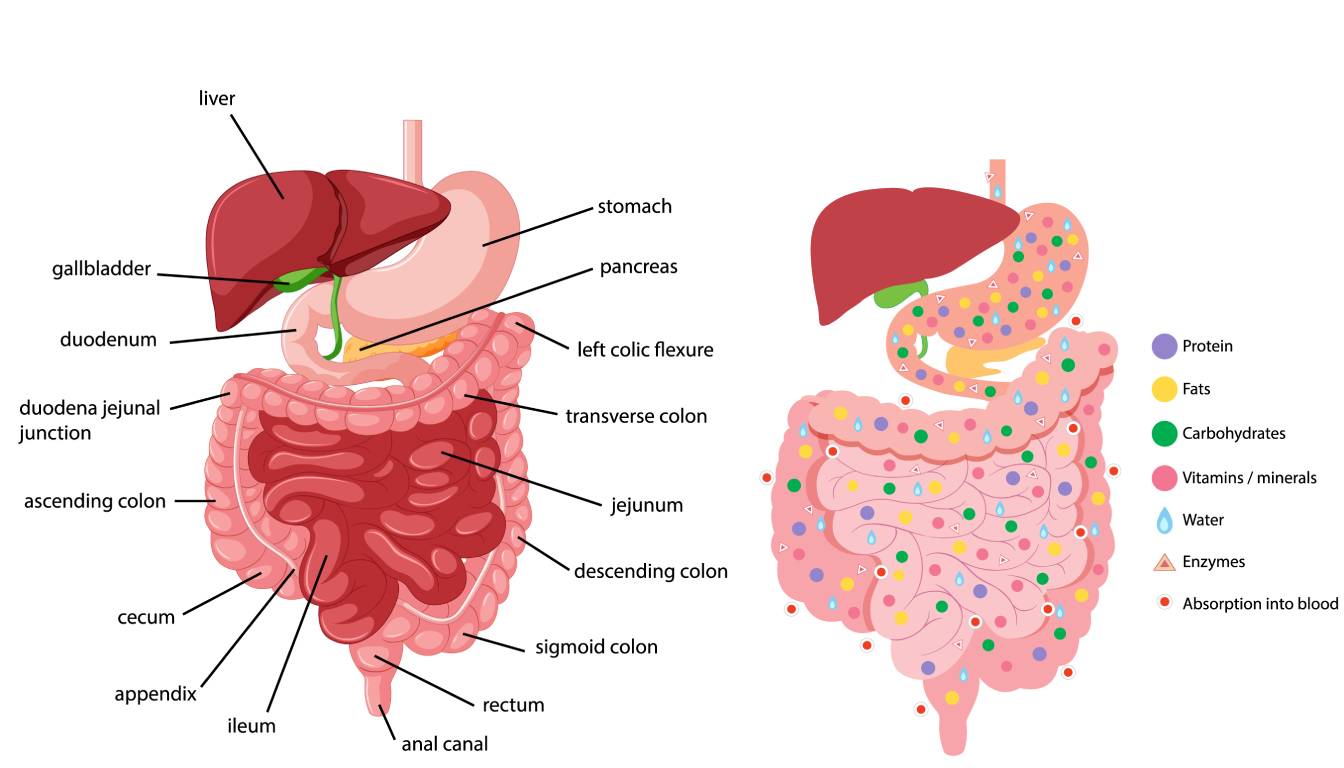
Digestive Enzymes: Your Food’s Best Friends
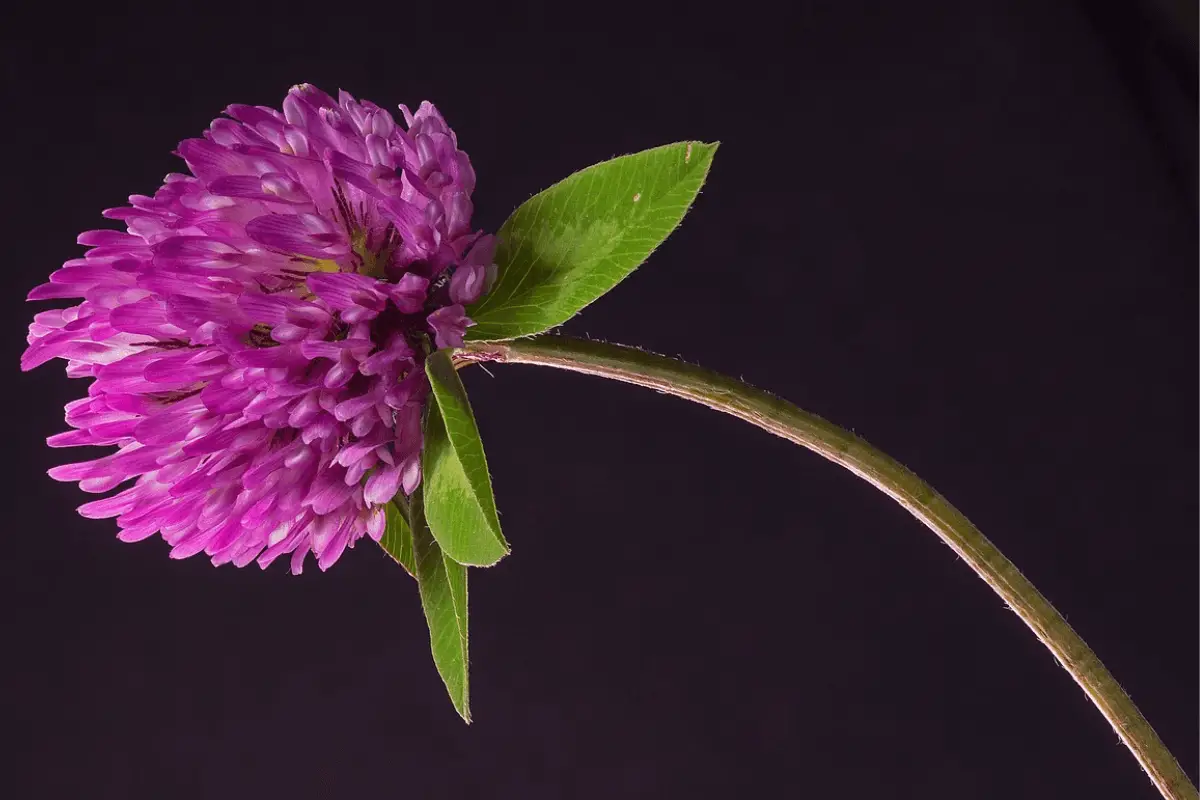
Red Clover: A Natural Solution for Hormonal Balance
Why I Built The Herb Prof?
I spent decades in clinical practice watching people reach for pharmaceutical solutions to problems that herbs had been solving for centuries. The Herb Prof exists because that knowledge deserves a proper home: rigorous, practical, and written by someone who has actually used these plants.
The Ailments section is where I answer the questions patients used to bring to my clinic. Not generic symptom lists but real guidance on what herbs work, why they work, and when to see a doctor instead.
Under the Health section I cover the bigger picture: how herbal medicine fits into daily life, prevention, and long-term wellness. This is where naturopathic thinking meets practical application.
The Herbs section is my reference library. Every herb I write about is one I have worked with clinically. You will find its history, its active compounds, its uses, and its cautions. No padding, no affiliate spin.
If you are new here, start with whatever brought you: a symptom, an herb, a question. That is exactly what this site is for.