Licorice
Glycyrrhiza
Glabra
Licorice Root, Sweet Wood
Licorice root has a long history and is known to have been used
since at least 500 B.C., and has been called the grandfather of
herbs. Alexander the
Great supplied his troops with rations of
Licorice sticks, so they could chew on them which alleviated thirst
and kept their energy up to help them win battles. Hippocrates,
Theophrastus, and Pliny all referred to Licorice. It was
recommended for soothing throats and slaking thirsts. The Black
Foot Indians used wild Licorice as an infusion to treat earaches;
other tribes ate it fresh and used it to treat colds, coughs, and
sore throats. Large quantities of Licorice were found with the
fabulous treasures of King Tut and other Egyptian rulers
The Brahmans of India, the Hindus, Greeks, Romans, Babylonians and
Chinese all knew of the value of Licorice. In ancient Greece and
Rome, Licorice was employed as a tonic and as a remedy for colds,
coughs, and sore throats. The ancient Hindus believed it increased
sexual vigor when prepared as a beverage with milk and sugar. The
Chinese maintained that eating the root would give them strength and
endurance and you will find it in almost all
of
their herbal
combinations as it was thought to harmonize the action of all other
herbs.
Licorice is known as a hormone precursor that will replace cortisone.
It induces the adrenal cortex to produce larger amounts of cortisone
and aldosterone. Licorice root acts in the body like the cortin
hormone and assists in helping the body handle the stress, allowing
blood sugar levels to remain normal giving a general feeling of well-being.
Licorice root possesses substantial antiarthritic activity. Glaycyrrhizinic acid found in Licorice provides its anti-inflammatory
effects, which is related to a release of corticoids from the
adrenals and can then be helpful for people with arthritis.
The most common uses of Licorice are for the treatment of coughs and
stomach problems. Licorice soothes and heals the inflamed mucous
membranes of the respiratory tract and helps to bring up phlegm. It
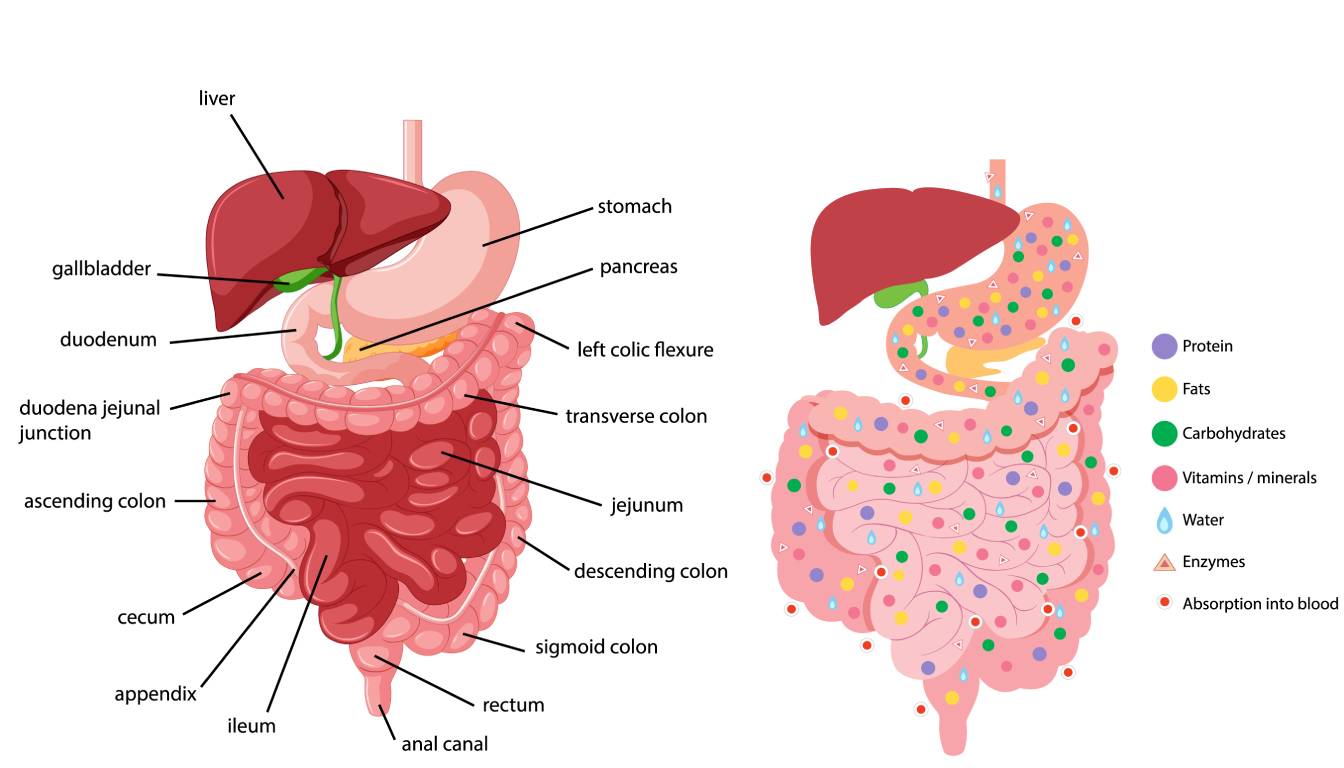
strengthens digestion and treats stomach and duodenal ulcers.
Licorice root effects the concentrations of blood salts and
stimulates and sustains adrenal function, while protecting the liver.
The use of coffee depletes the adrenal glands; a sign of this
depletion is an allergy to citrus fruits and possibly inflamed
sinuses. The herb suggested for this condition is Licorice, the
vitamins are
pantothenic
acid (B-5), A and C, and the minerals are
potassium, sodium, magnesium, and calcium.
Caution:
Excessive use of Licorice can cause sodium retention and potassium
depletion possibly leading to hypertension and edema. Use Licorice
root with Potassium if high blood pressure is a problem.
Sources:
Little Herb Encyclopedia, by Jack Ritchason; N.D., Woodland Publishing Incorporated, 1995
Nutritional Herbology, by Mark Pedersen, Wendell W. Whitman Company, 1998
Rodale's Illustrated Encyclopedia of Herbs, Rodale Press, Emmaus, Pennsylvania 1987
Planetary Herbology, Michael Tierra, C.A., N.D., Lotus Press, 1988
Handbook of Medicinal Herbs, by James A. Duke, Pub. CRP Second Edition 2007
|